

The follow-up that slips.
You sent the quote. Now you’re trying to remember who needs a call, a reminder, or a next step.

We build practical solutions, manage the technology behind them, and provide experienced advice—so you have less to carry and more room to grow.

Loading the 3D network…
An illustrative quote-follow-up workflow
See how quote follow-up can move from scattered reminders to a coordinated process—with your team in control.
Drag the divider, or use Left and Right arrow keys. Home shows before; End shows after.
A quote-follow-up example. No message is sent.
Defined rules keep the next check from depending on someone’s memory.
The agent prepares a draft from the quote and relevant correspondence.
Your team approves messages and handles exceptions before work moves on.
Illustrative workflow, not a customer result. The setup depends on your process and tools.
The quote is sent. Someone must remember to check, search for a reply, and reopen the context. If there is a reply, the owner works out the next step. Without a reply, they find the quote and notes, write a follow-up and review it. Missing details create another interruption. Repeated and unfinished trips in the animation represent this coordination work.
The animation alternates these paths. It holds, then resets the illustration. Playback never approves or sends a message.
You sent the quote. Now you’re trying to remember who needs a call, a reminder, or a next step.
The answer is in an email, a text, a spreadsheet—or someone’s head.

The day’s work finishes. The paperwork doesn’t.

What needs attention, which tool to choose, and whether the next idea is worth the investment.

It doesn’t all need a new system. But it deserves a better way.
Whether you need something built, someone to manage it, or help deciding what comes next, we start with what matters to your business.

We look at how work happens today, where it gets held up, and what a useful improvement would look like. Together, we identify what is worth doing—and what it would take to do it.
That may mean introducing a new solution, getting more from existing software, or improving a process. Where deeper investigation is needed, we agree on a focused assessment.
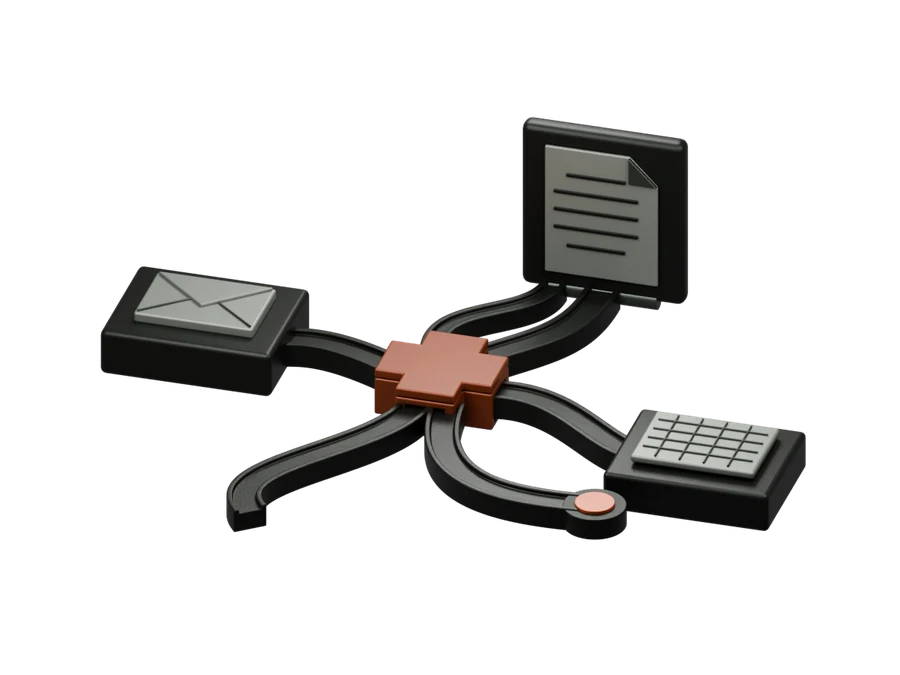
We design and implement solutions for specific challenges—from inquiry follow-up and project coordination to paperwork and reporting.
That might involve an AI agent, an automated workflow, connected systems, or better use of tools you already have. We handle the build, integration, testing, and onboarding to put the solution into everyday use.
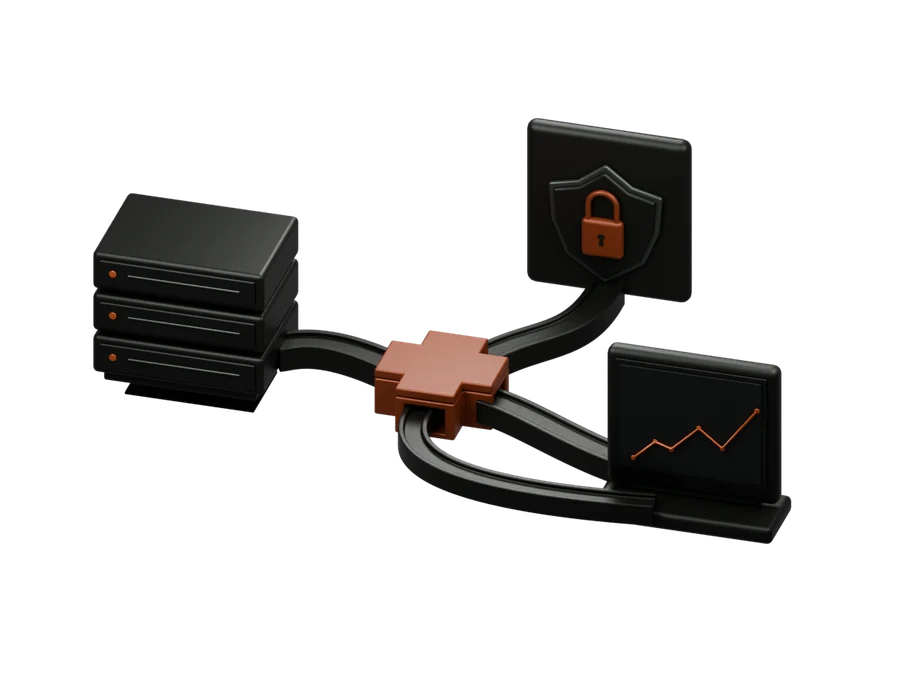
We operate and maintain your supported solutions—from AI agents and automated workflows to the hosting, integrations, and access controls behind them.
We monitor performance and costs, investigate failures, manage updates, and test changes before release. Your team has a clear point of contact for support, with agreed procedures when something needs human attention.
Available as an ongoing managed service or a more focused support arrangement.
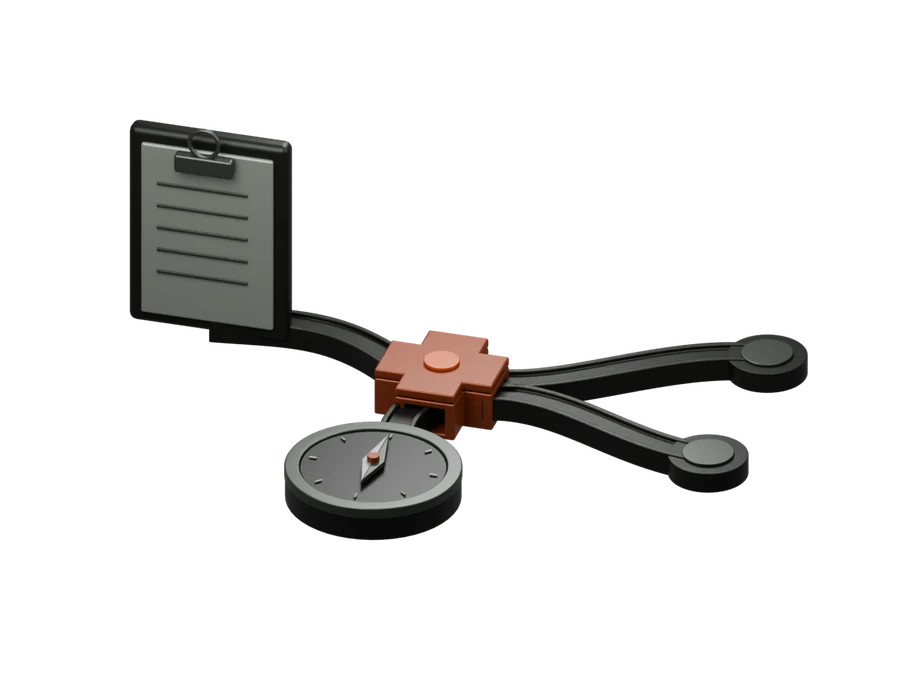
A trusted sounding board for business priorities, operational challenges, and technology decisions. We help you evaluate options, challenge proposals, and decide where your time and resources are best spent.
Available through a retainer or an agreed advisory arrangement—independently of implementation or managed services.
We define the work before starting.
You know what we handle and what stays with your team.
We agree what a useful improvement would look like.

Founder
Tether was founded in 2026 by Sean Wittig, a former PwC partner. Over more than two decades, Sean advised leaders of emerging companies and large institutions through growth, complex transactions, and business transformation. He also led initiatives within PwC to introduce new technologies and change how teams worked.
His commitment to independent business began at home. Growing up, Sean watched his father balance the demands of running his own electrical business. He saw firsthand how much responsibility owners carry—and how often everything comes back to them.
He founded Tether to give owner-led businesses more capacity and less to carry alone. The firm brings together practical technology, hands-on management, and experienced business advice to help owners delegate work, make sound decisions, and build the business they want to lead.
AI & Automation Opportunity Check
See where AI or automation could help—and what to address first.
Free · Up to 14 questions · No technical knowledge needed
Results on screen. Get your summary by email.
A starting point for discussion—not a technical audit or a promise of savings.
Local layout review. These are placement examples; articles, publishers, and images have not been selected.
Automation carries out work using rules you define. It’s fast and predictable, and it can be set up to hand exceptions back to you. AI helps when the information is less structured, such as interpreting a messy email or finding a number in a document whose layout has changed. Many solutions use both.
Yes. You don’t need to know which tools to use or what to build. We start by looking at how work moves through your business, then identify one or two places where AI or automation could make a practical difference. You don’t need to be an expert in the tools. That’s our job.
No. Sometimes the answer is a better process, a feature in a tool you already pay for, or straightforward automation. We’ll tell you when AI isn’t the right fit. The goal is to make work run more smoothly and reduce the amount you have to manage yourself. We recommend the approach that fits the problem.
Not necessarily. We start by reviewing what you already use and build on it where practical. Any proposed changes are discussed before you commit.
An AI agent uses AI to carry out a task through a series of steps. It can work with information, use connected tools, and choose what to do next. We define which tools and information it can access, what it can change, and when it needs human approval. Some steps can run automatically; others pause for review. The level of independence depends on the task and the risks involved.
ChatGPT and Claude can already carry out some agent tasks, and an existing tool may be enough for your business. The question is how the work needs to run: which systems it connects to, what triggers it, what it can change, and when it needs your approval. We help you decide whether an existing tool meets those needs or whether you need a solution built around your workflow.
Agents can help with work that involves reading, interpreting, or preparing information across several steps. Examples include sorting and routing incoming email, extracting information from invoices and forms, drafting replies and follow-ups, and checking systems for mismatched records. A useful starting point is work you can explain clearly to another person, including when they should stop and ask for help.
Often, the dull ones you touch every day: sorting inquiries, sending reminders, following up on unpaid invoices, moving documents into a system, keeping people informed, or preparing quotes from information you’ve already captured. A task that takes five minutes and happens thirty times a week may be a better starting point than a complex task you do twice a year. We look at the volume of work, the time it takes, and the frustration it causes.
Pick one task with real volume and a clear way to measure improvement. Get the process itself straight first, because automating a messy workflow can give you a faster mess. Test the solution alongside the person doing the work so you can compare results before relying on it. Expand once it has handled the normal work and common exceptions reliably.
We agree on support coverage, response times, and responsibilities upfront, including the role of any third-party providers. For work covered by a support arrangement, we investigate issues, coordinate fixes, and keep you informed. Monitoring can be included where agreed. We document and hand over what we build so you can understand how it works and how to get support.
We define what information the solution needs, who can access it, and which actions require human approval. Access controls, review procedures, and exception handling are part of the design from the start.
Implementation is scoped and quoted for the agreed work. Managed services, other support, and advisory retainers are priced separately according to the arrangement. Fees, responsibilities, and expected third-party costs are explained before you proceed.
We build in permissions, limits, and approval steps from the start. Together, we define what the agent can access, what it needs your sign-off for, and when it should stop and ask. We recommend human approval before actions with significant consequences, such as sending sensitive client communications, moving money, or changing important records. We also agree on the activity records and checks needed to review what happened and refine the rules. These controls reduce risk; testing and oversight still matter.
A first workflow typically takes two to four weeks to get running, followed by a few weeks of testing and observation alongside the person doing the work. Larger projects that connect several systems can take longer. Timing depends on the scope, the available information, system access, and approvals. We agree on a realistic timeline once we understand the work.
Yes. Advisory work can stand on its own. We can help you understand where AI or automation fits in your business, what it might cost, and what it would and wouldn’t solve. You might come away with a project in mind, or decide your money is better spent elsewhere for now. Either outcome can be useful.
Tell us what is on your plate. We’ll discuss a practical next step.
Prefer email? Get in touch.